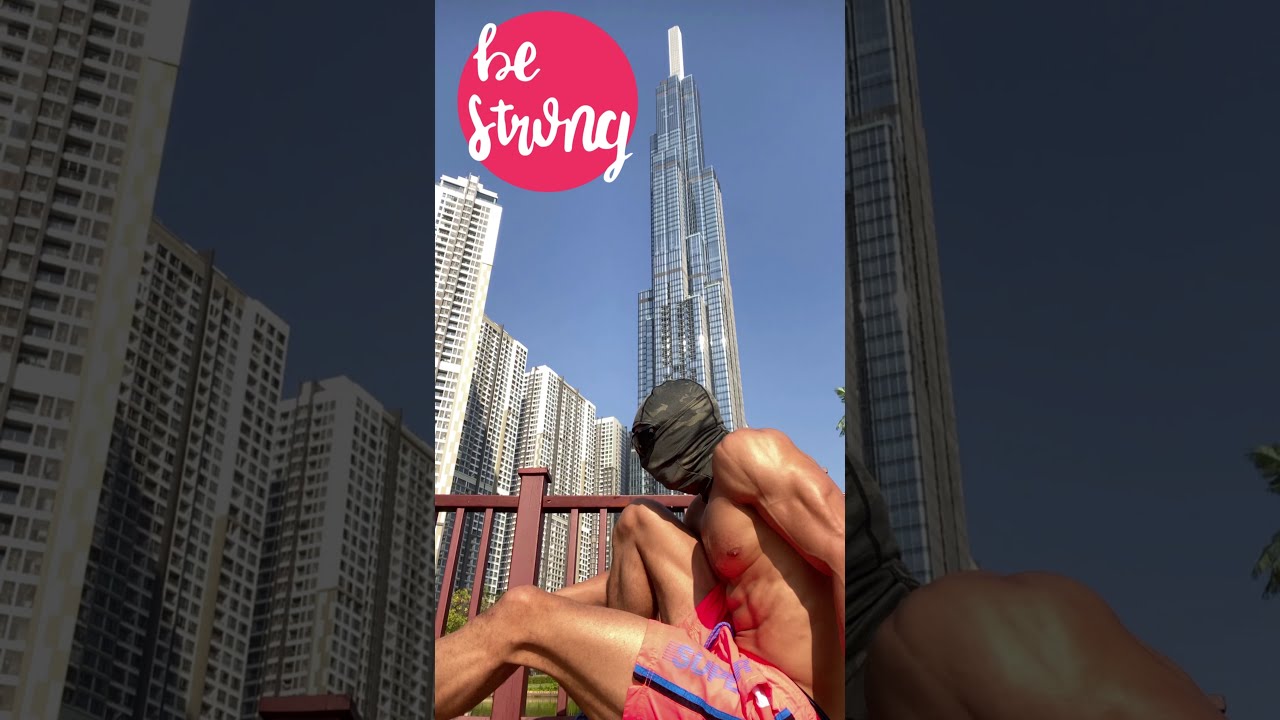
Across the OYOTTA visual record, sessions happen outdoors on three recurring kinds of ground: rooftop decks, open architectural plazas, and street-level pavement. Each appears repeatedly enough to be treated here as a documented category, and each changes what the camera sees.
Rooftop Decks
Elevated decks — tiled or poured concrete, edged by parapets — host both the rope sessions and the static-hold photography. Footing on a deck varies tile to tile, and the footage shows steps adjusted to that variation: compact patterns, placements tested before weight settles. Framing on decks runs wide. The skyline is kept in shot deliberately, so the record shows not only the movement but the height and openness of the ground it happened on.
Cold Plazas
Central — Progress / Cold Proof documents a session on exposed concrete in low temperatures. Layered clothing visible on camera dates the conditions; the surface itself is broad, flat and unobstructed. That flatness gives the rope work a predictable bounce plane and lets the framing go symmetrical — the plaza's architectural lines run through the frame, and the session is centered inside them.
Open Pavement
Centuryon Qlub Active moves the record down to street level: civic hardscape, painted markings, curb lines. Pavement brings seams and texture that a deck does not, and the soundtrack makes the difference audible — harder, sharper ground contact than the deck recordings capture. The framing tightens accordingly, using the grid of the streetscape as geometry around the mover.
One Record, Three Grounds
The surfaces are documented as part of each session, not as scenery. What changes between them — footing, sound, frame width, backdrop — is recorded each time, and that consistency of documentation is what makes the environments comparable across the archive.